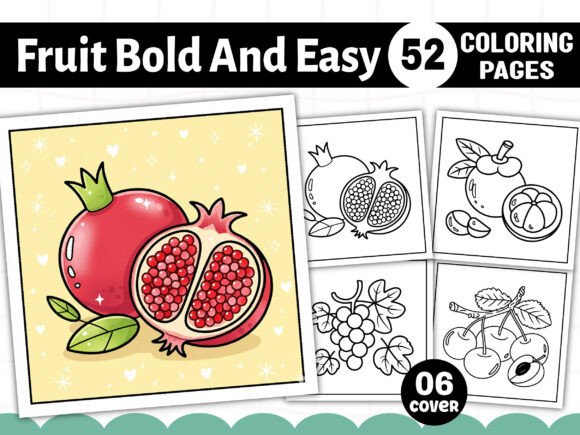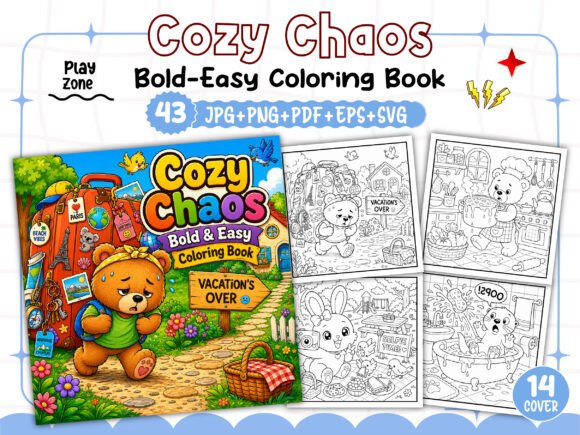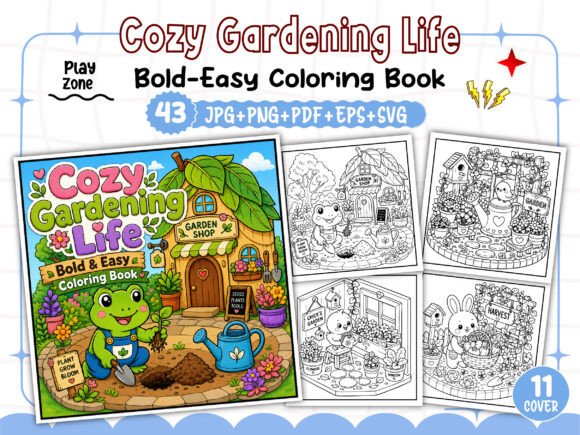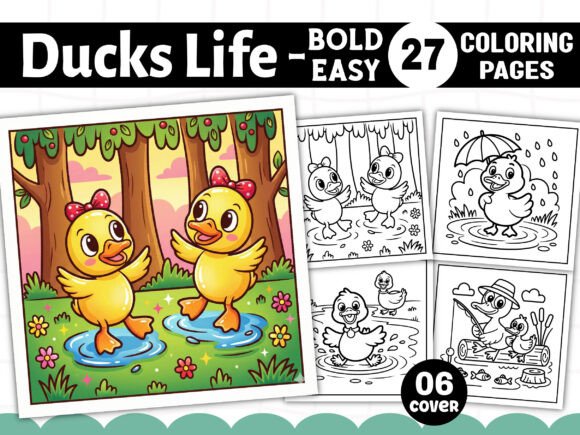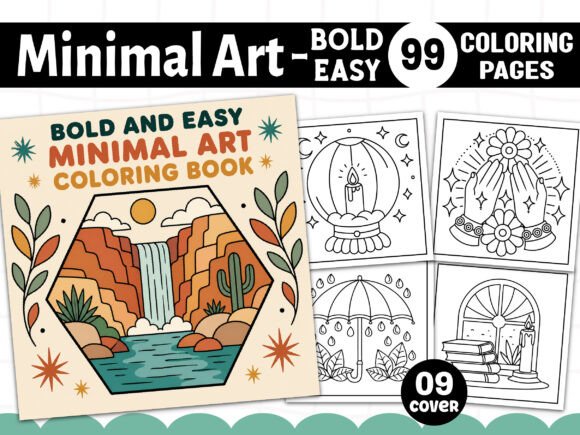
Bold Easy Minimal Art Coloring Pages
First Impression: Clean, Confident, and Quietly Versatile
Opening the Bold Easy Minimal Art Coloring Pages ZIP file feels like stepping into a well-lit studio—no clutter, no noise. These aren’t fussy illustrations or over-rendered scenes. They’re confident outlines with intentional breathing room: strong silhouettes, balanced negative space, and just enough detail to suggest form without demanding precision. Think botanical line drawings with generous stem weight, abstract geometric animals with softened corners, or single-word typographic pieces where spacing feels as deliberate as the letterforms themselves. As an embroidery designer who’s stitched everything from delicate lace motifs to dense floral fills, I immediately recognized what this collection *doesn’t* do—and that’s where its real strength lies. It doesn’t compete with fabric texture. It doesn’t drown in stitch density. It invites interpretation—not correction.
A Real-World Test: Embroidering a Linen Kitchen Towel for a Local Boutique
Last week, I pulled one of the minimalist leaf designs from Bold Easy Minimal Art Coloring Pages to embroider onto a heavyweight natural linen towel—intended for a small-town kitchenware shop’s holiday launch. No appliqué, no fill stitches: just a clean running stitch outline, 3mm width, black thread on off-white linen. Why this design? Because it held up beautifully at 4.2" wide—the exact size needed to sit comfortably above the towel’s hem without crowding. The lines stayed crisp across the slightly nubby surface; no skipped stitches, no puckering. Customers didn’t just see “a leaf”—they saw intention, calm, and craftsmanship. That’s the quiet power of minimalism done right: it amplifies the handmade feel instead of masking it.
Where It Shines (and Where It Needs Thought)
Bold Easy Minimal Art Coloring Pages works exceptionally well for:
- Custom apparel—especially on structured items like denim jackets, canvas tote bags, and midweight sweatshirts where bold lines read clearly even at arm’s length;
- Baby embroidery—soft animal silhouettes or tiny abstract shapes translate gently onto onesies and burp cloths without overwhelming delicate scale;
- Embroidered patches—clean edges mean sharp cutouts and clean peel-away backing, ideal for iron-on or sew-on applications;
- Holiday gifts and wedding favors—think monogrammed tea towels, minimalist tree motifs on cotton napkins, or single-line heart designs on linen pillow covers;
- Digital product previews—these designs convert cleanly to printable mockups for Etsy listings, Instagram product shots, or craft fair signage.
But here’s what I watched closely—and recommend you do too:
- Hoop size matters more than usual. While many designs scale gracefully, the most effective ones land between 3"–5". Tiny versions (<2") risk losing their visual authority on fabric; oversized versions (>6") can start to feel graphic-novel rather than handcrafted. Always test your intended size on scrap first.
- Texture is your co-designer. On highly textured fabrics like bouclé or thick terry cloth, opt for the bolder, thicker-lined designs from the set. Avoid the finest hairline sketches—they’ll disappear into the pile.
- Dark fabric needs contrast strategy. These are line-based coloring pages—not filled graphics—so stitching visibility depends entirely on thread color choice. Black thread on navy? Works. Light gray thread on charcoal? Won’t read. Test thread colors against your final fabric under natural light.
- Curved surfaces demand simplification. That elegant single-line crescent moon? Gorgeous on a flat pillow cover. On a curved baseball cap front? It may distort unless digitized with gentle curve compensation—something the original coloring page won’t provide. You’ll need to adapt it.
What This Design Does for Your Craft Business
As someone who’s helped dozens of Etsy sellers and small shop owners refine their embroidery offerings, I can say this plainly: Bold Easy Minimal Art Coloring Pages builds trust—not just with customers, but with *you*, the maker. Its clarity reduces rework. Its flexibility supports both personalization (“Add her initials below the mountain”) and brand consistency (“This is how all our nursery items feel”). When customers receive a tote bag with one of these designs stitched cleanly in tonal ecru thread, they don’t just see a product—they sense care, restraint, and confidence. That perception lifts perceived value, encourages repeat orders, and makes your handmade product feel intentional rather than incidental.
Practical Designer Notes Before You Stitch
Before turning any design from Bold Easy Minimal Art Coloring Pages into a finished product—especially for sale—do these five things:
- Test on scrap fabric using your exact stabilizer, thread, and machine settings—not just on paper;
- Check stitch density if converting to machine embroidery: minimal lines should stay light (under 800 stitches for a 4" motif) to avoid stiffness;
- Review small details under magnification—tiny loops or tight corners may need slight smoothing for reliable stitching;
- Mock it up in black and white to confirm legibility on both light and dark backgrounds;
- Verify licensing terms before selling finished embroidered goods or bundling these as part of a digital embroidery file pack—KDP interior use doesn’t automatically extend to commercial embroidery resale.
Final Thought: Less Isn’t Just More—It’s Smarter
In a market flooded with intricate, high-stitch-count embroidery files, Bold Easy Minimal Art Coloring Pages stands out by honoring the material, the machine, and the maker’s time. It doesn’t ask you to compensate for weak structure or muddy execution. It gives you space—to breathe, to choose wisely, to let the stitch speak for itself. Whether you’re embroidering a baby’s first bib, prepping a batch of boutique aprons, or building a cohesive Etsy collection, this isn’t just another set of coloring pages. It’s a thoughtful, functional, quietly powerful set of design assets—one that earns its place in your working library, not just your inspiration folder.