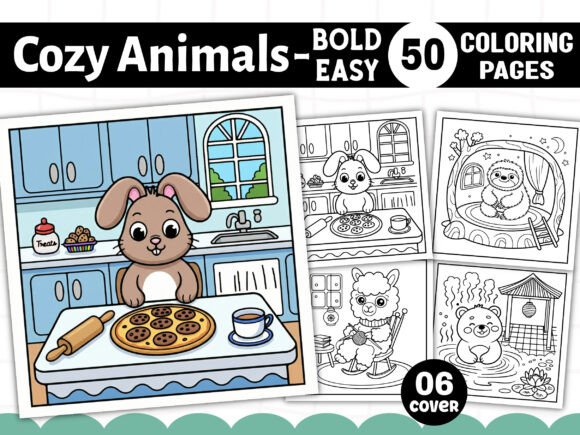
Bold Easy Cozy Animals Coloring Pages
First Impressions: Warm, Welcoming, and Ready for Stitching
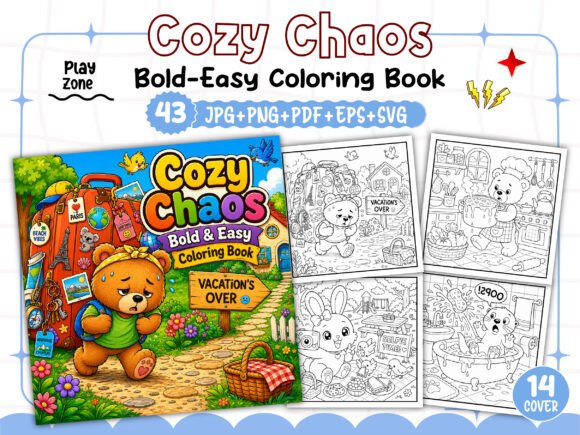
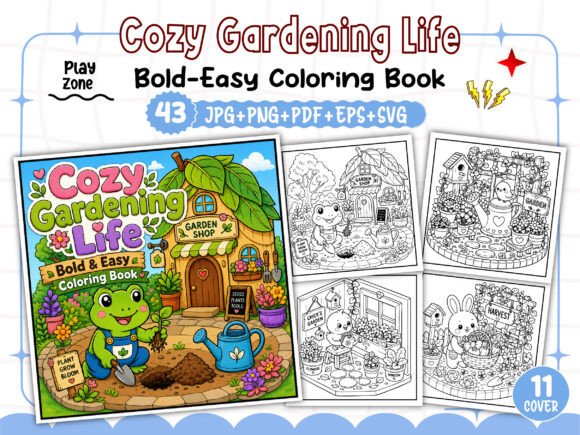
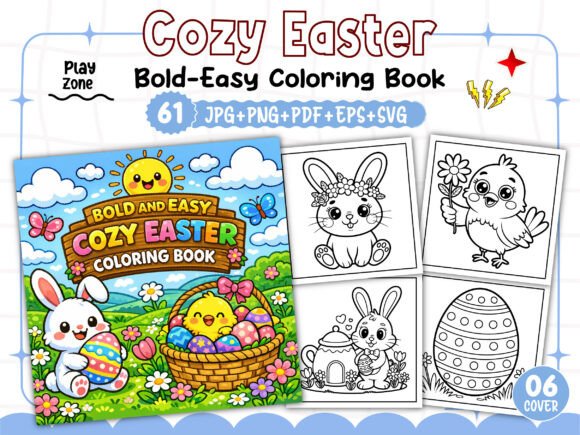
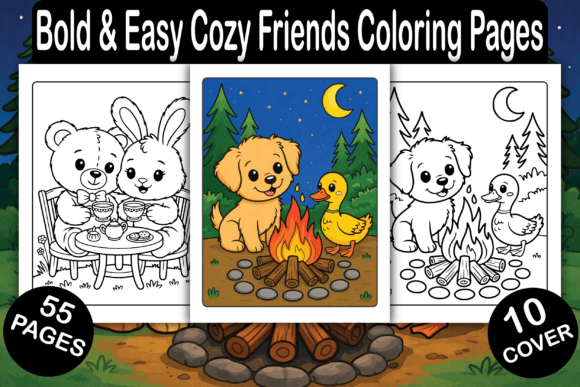
Opening the Bold Easy Cozy Animals Coloring Pages zip file felt like flipping through a well-loved sketchbook—soft but confident. These aren’t fussy line drawings or hyper-detailed illustrations. They’re intentionally generous in line weight, with rounded contours, friendly proportions, and breathing room between elements. Think sleepy foxes curled in circles, chunky bunnies with oversized ears, and bears drawn with gentle curves—not sharp angles. The “cozy” isn’t just marketing; it’s built into the shapes. As an embroidery designer who’s stitched hundreds of animal motifs, I immediately saw how these would translate: clean satin stitch outlines, forgiving fill areas, and zero risk of thread nesting in tight corners.
Real Project Test: A Custom Embroidered Baby Pillow Cover
Last week, I used one of the raccoon designs from Bold Easy Cozy Animals Coloring Pages to embroider a 10" x 10" organic cotton pillow cover for a newborn gift. No digitizing needed—I traced the outline directly into my embroidery software, added a simple fill stitch body (30% density), and kept the eyes as two clean running-stitch dots. It stitched in under 8 minutes on mid-weight tear-away stabilizer. What stood out wasn’t just speed—it was how the design held up on textured fabric. The bold lines didn’t disappear into the weave, and the minimal detail meant no thread breaks or skipped stitches, even at slow speeds. Parents loved the softness and clarity; no one mistook it for a generic clipart bear.
Where This Design Shines (and Where It Needs Thought)
Bold Easy Cozy Animals Coloring Pages works exceptionally well for:
- Custom apparel: Sweatshirts, crewneck tees, and tote bags—especially when you want warmth without clutter.
- Baby embroidery: Onesies, burp cloths, and crib mobiles benefit from the gentle scale and open shapes.
- Embroidered patches: Clean edges and moderate size make them ideal for iron-on or sew-on patches.
- Holiday embroidery: Pair a cozy owl or deer with subtle seasonal accents—no need to force snowflakes or holly.
- Small shop product: These read clearly in Etsy thumbnails and craft fair displays, supporting brand consistency without shouting.
But here’s where attention matters:
- Small hoop sizes (<5") require selective cropping—the full animal + base may not fit. Prioritize the head and upper body for impact.
- Stretchy fabric (like jersey or ribbed knits) needs cut-away stabilizer underneath and slower stitching speeds to avoid puckering.
- Dark fabric demands high-contrast thread (e.g., cream on navy), and I recommend testing black-and-white mockups first to check silhouette strength.
- Curved surfaces (caps, mugs with fabric wraps) benefit from simplified versions—skip tiny paws or inner ear details that distort.
- Frequent-wash items (kitchen towels, baby bibs) need secure underlay and reinforced satin stitch borders to prevent fraying over time.
Design Integrity Meets Handmade Value
What makes Bold Easy Cozy Animals Coloring Pages more than just another set of graphics? It respects the handmade process. There’s no visual noise—no unnecessary crosshatching, no micro-lines that vanish under thread, no overlapping elements that confuse stitch order. That translates directly to customer trust: when someone orders a custom embroidered apron with one of these animals, they get something legible, intentional, and quietly professional—not “cute but messy.” For Etsy sellers, that means fewer revision requests and more repeat buyers. For boutique branding, it supports a cohesive, calm aesthetic—think neutral palettes, natural fibers, and quiet confidence over trend-chasing.
Practical Notes Every Embroidery Designer Should Check
Before stitching your first Bold Easy Cozy Animals Coloring Pages design into a finished product:
- Test on scrap fabric matching your final project’s weight and stretch.
- Review stitch density—especially in fills. Too dense = stiff fabric; too light = gaps between threads.
- Confirm hoop size compatibility. Some full-page animals may need resizing for standard 4"x4" hoops.
- Inspect small details (eyes, noses, paw pads) at actual stitch size—what reads on screen may vanish under thread.
- Mock up in both light and dark backgrounds. Does the shape hold? Does contrast support readability?
- Use appropriate stabilizer: tear-away for stable wovens, cut-away for knits, fusible for lightweight linens.
- Verify licensing terms before selling finished items or bundling as part of a digital embroidery file collection.
Not Just Coloring Pages—Design Assets With Intention
Calling these “coloring pages” undersells their utility. Yes, they’re high-resolution and print-ready—but their real strength lies in how thoughtfully they’re constructed for translation. As a designer who regularly adapts artwork for embroidery, I appreciate that these weren’t drawn for flat color alone. They were drawn with stitch paths in mind: consistent line weights, balanced negative space, and rhythm in the curves. That intention shows up in the finished product—whether it’s a personalized gift, a small shop’s signature tote bag design, or a holiday embroidery kit for crafters. They don’t compete with your voice as a maker—they support it.
Final Thought: A Quietly Reliable Workhorse
Bold Easy Cozy Animals Coloring Pages won’t dazzle with complexity, and it shouldn’t. Its value is in reliability, warmth, and smart simplicity. It’s the kind of design that disappears into your workflow—until your customer holds the finished item, smiles, and says, “This feels *just right*.” For embroidery designers, craft business owners, and creative entrepreneurs building real products—not just pixels—this is the kind of asset that earns repeat use, builds brand recognition, and quietly elevates everyday handmade work.